Choosing a career path can feel uncertain, especially when you are trying to understand what kind of training actually leads to real job opportunities. If you have been exploring civil construction courses, you have probably come across mixed opinions. Some focus on theory, while others promise job-ready skills. So the real question is: Does it truly add value to your career?
The answer depends on what you expect from the course and how well it prepares you for the industry.
Let’s Find Out the Real Scope of Civil Construction:
Civil construction is not limited to working on sites. It involves planning, designing, and supporting infrastructure projects such as roads, bridges, drainage systems, and residential developments. Behind every successful project, there is a team of professionals handling technical drawings, documentation, and coordination.
This is where trained individuals step in. A well-structured course helps you understand how projects move from concept to execution. Instead of just learning theory, you start seeing how designs are created, reviewed, and applied in real scenarios.
What You Can Actually Gain from a Practical Course:
One of the biggest advantages of enrolling in civil construction courses is the opportunity to build practical skills. Employers are not just looking for basic knowledge anymore. They expect candidates to be confident with tools, processes, and industry standards.
A good course will help you:
- Learn how to prepare and interpret technical drawings
- Work with software like AutoCAD and Revit
- Understand project documentation and compliance
- Build problem-solving and coordination skills
Learning these skills directly impacts how you perform in your first job and how quickly you grow in your role.
Career Outcomes You Can Expect After Completing the Course:
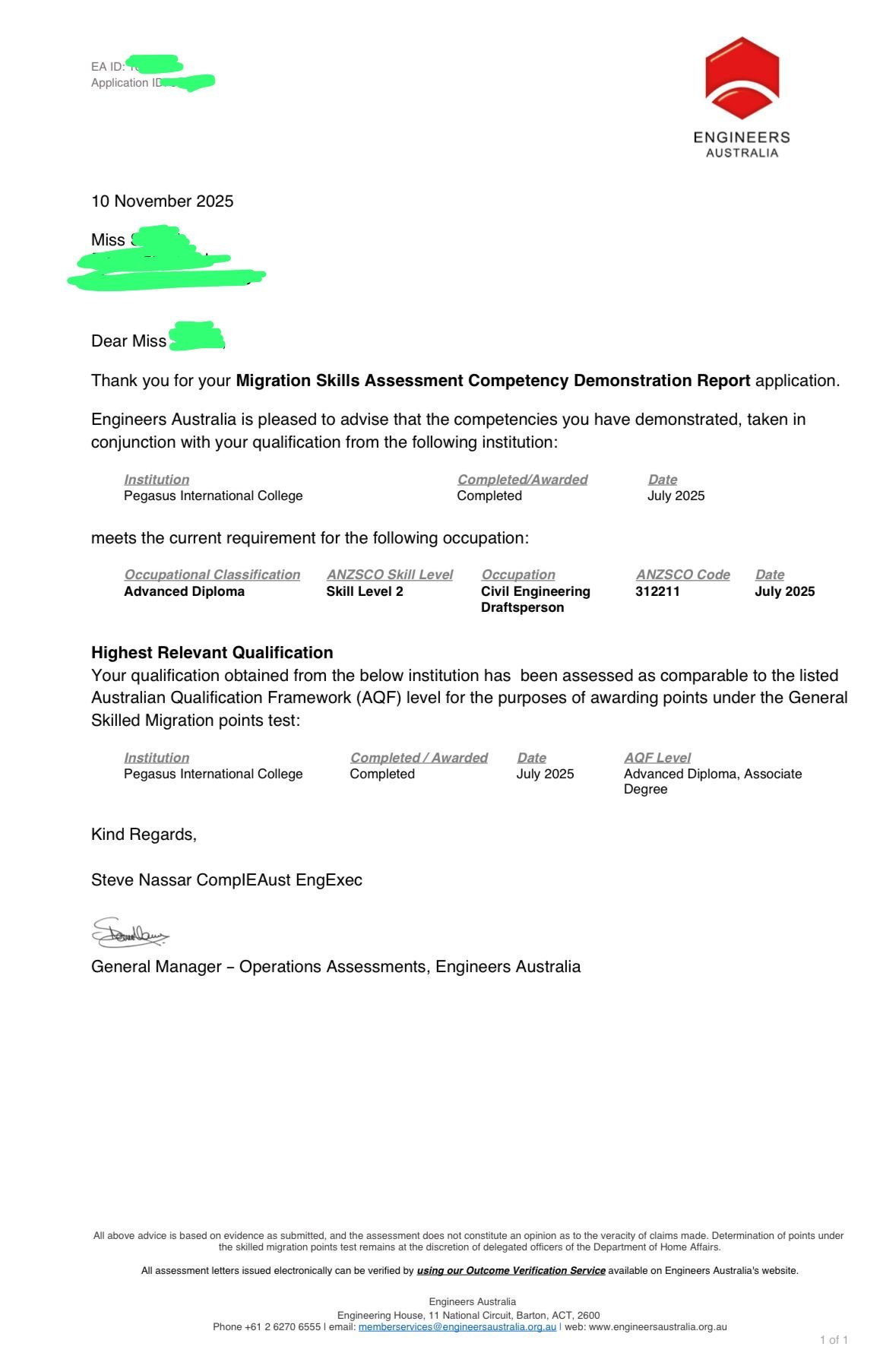
With the right training, you can explore roles such as civil engineering draftsperson, Structural or Civil designer, or a structural modeller. These roles are essential in ensuring that construction projects run smoothly and meet required standards.
As infrastructure development continues to grow, there is a steady demand for skilled professionals who can support design and drafting work. This makes civil construction a stable and rewarding career option for those willing to build the right skills.
The Advanced Diploma of Civil Construction Design teaches these skills 100% online with live classes — AutoCAD and Revit included. See how to enrol in five easy steps, or call 1300 019 535.
Build the Right Foundation with Pegasus International College:
If you are serious about building a future in this field, choosing the right learning environment matters. The Advanced Diploma of Civil Construction Design at Pegasus International College is designed for students who want more than just classroom learning.
This course focuses on developing the technical skills required to contribute to large-scale commercial, residential, and infrastructure projects. You learn how to approach real design challenges and understand project requirements with clarity.
At Pegasus International College, you are guided by experienced professionals who bring real industry knowledge into the learning process. Their support helps you connect what you learn with how things actually work in the field.
Our RII60520 – Advanced Diploma of Civil Construction Design course also gives you hands-on exposure to industry tools and practical scenarios, so you are better prepared when you step into a professional role. It is not just about completing a qualification. It is about building confidence and capability for long-term growth.
If you are looking for civil construction courses that focus on real outcomes, enroll now to ensure a strong starting point for your career.
Frequently Asked Questions:
1. Are civil construction courses suitable for beginners?
Yes, our courses are designed for learners who are new to civil construction. We start with the fundamentals and progressively build up technical skills, so you can enroll even without any industry experience.
However, as the Advanced Diploma of Civil Construction Design (RII60520) is a higher-level qualification, there are a few entry requirements every student must meet:
- Be 18 years or older
- Have completed Year 12 (or equivalent)
- Hold a Temporary Graduate (Subclass 485) visa, or be an Australian/New Zealand permanent resident or citizen
- Be competent in English and pass our LLN (Language, Literacy and Numeracy) test
If you meet these requirements, you're good to go, even without a construction background. For full details, visit www.pegasus.edu.au.
2. What kind of jobs can I get after completing the course?
You can explore roles like civil engineering draftsperson, civil/structural designer, design technician or civil/structural modeller. Your opportunities depend on the skills you develop during the course.
3. How important is practical training in this field?
Practical training is very important. It helps you understand how real projects work and prepares you to handle tasks confidently in a job environment.